 Skip to Navigation
Skip to Content
Skip to Navigation
Skip to Content
Cyanotype: Process & Possibility
Juror's Statement
It is my great pleasure to see such great varieties of work submitted to this show. The quality and varieties were both remarkable. There were too many excellent pieces beyond the 35 selected for the exhibition and 40 for the online gallery. Other than the fact that some were more suitable for online viewing while others to be looked at in the flesh, there was little or no qualitative differences between the two groups.
Choices for the awards were based on my conviction that both the message, the meaning behind the work, and the craft needed to create are equally important. The craft behind the juror’s award, Death Valley by Lisa Brussell, was remarkable: flawless cyanotype and palladium were combined to result in a nearly full color print. The meaning behind the image may not seem profound, but is a reminder for us to look at the gentle reality in front of us and appreciate it in ways that the camera is good at. Such combination of good craftsmanship plus simple photo vision are also shared in two of the honorable mentions, both with seemingly undramatic scenes but in such beautiful tones! The third honorable mention is fascinating in a completely different way, stretching our vision to include a much larger canvas of inverted images. A great variety of innovative ways to use the basically simple and low cost printing process are included in the show. I congratulate those fortunate enough to see the actual pieces in person.
"Cyanotype is like the piano - the instrument is basic, but the music that can come out is not."
-Sam Wang
The Director's Award recognizes an artist whose work thoughtfully expands the expressive possibilities of cyanotype. Through the integration of photographic imagery, personal documents, and textile elements, the installation explores themes of memory, identity, and history while demonstrating an innovative and deeply personal approach to the medium. It exemplifies the spirit of Cyanotype: Process & Possibility by honoring the historical roots of the process while pushing it toward new contemporary forms.
-Zach Hoffman, Gallery Director
Call for Entry
PhotoPlace Gallery invites photographers and artists to submit work for Cyanotype: Process & Possibility, a juried exhibition celebrating the enduring appeal and creative versatility of the cyanotype process. We welcome work that embraces cyanotype in all its forms, including traditional contact prints, camera-made cyanotypes, photograms, digital negative prints, toned and wet cyanotypes, alternative substrates, mixed-media works, and experimental approaches. Subject matter is open, but cyanotype should serve as a primary component of the finished work.
This exhibition coincides with World Cyanotype Day, an international celebration of one of photography's most beloved alternative processes. PhotoPlace Gallery will mark the occasion with a special reception, workshops, and cyanotype-focused programming on September 26, bringing artists and the community together to celebrate the many possibilities of this historic and continually evolving medium.
Learn more about World Cyanotype Day at:
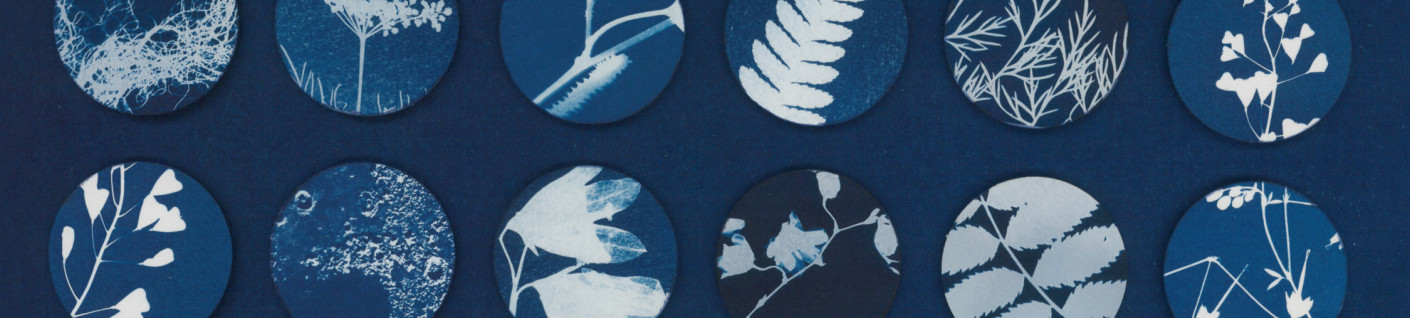
Banner image: Annalise Neil
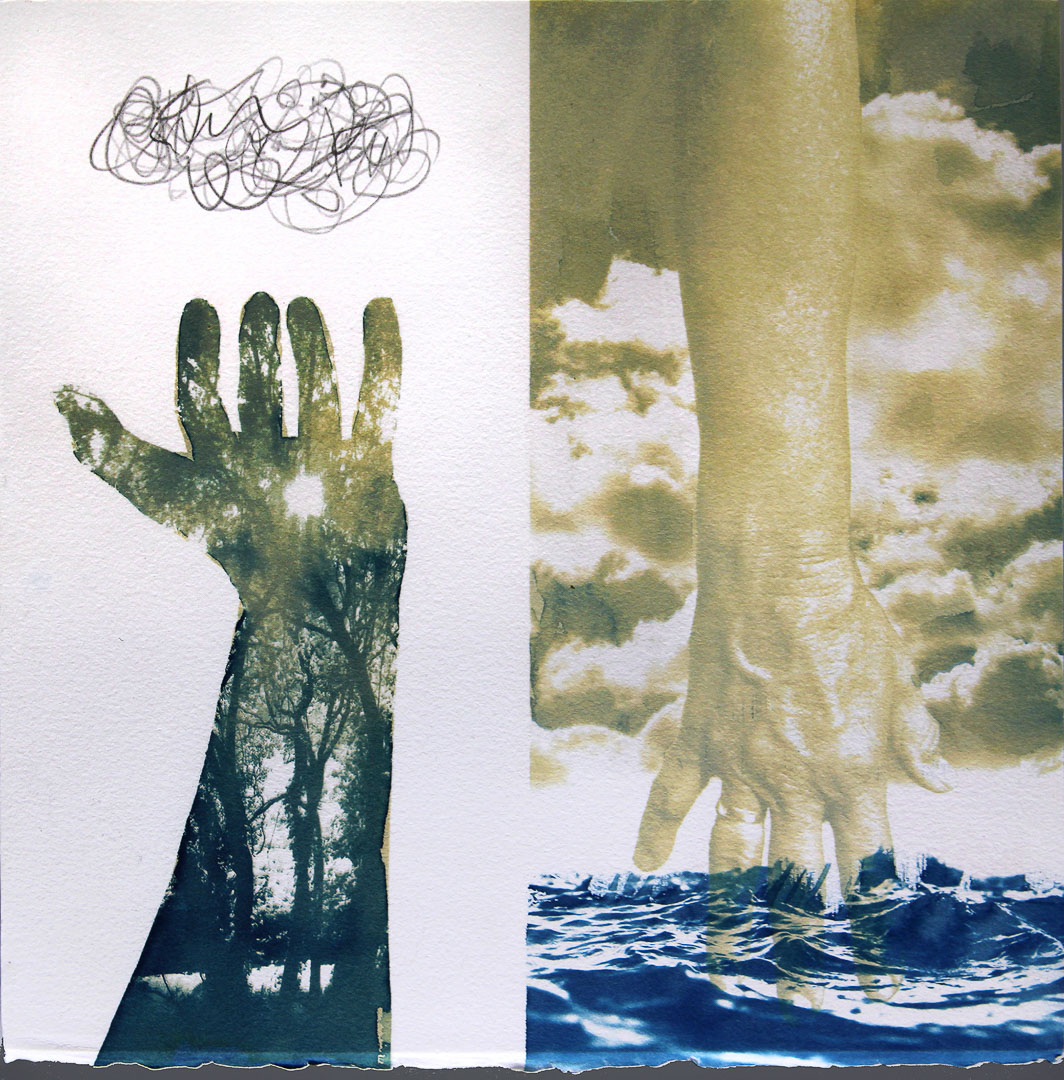
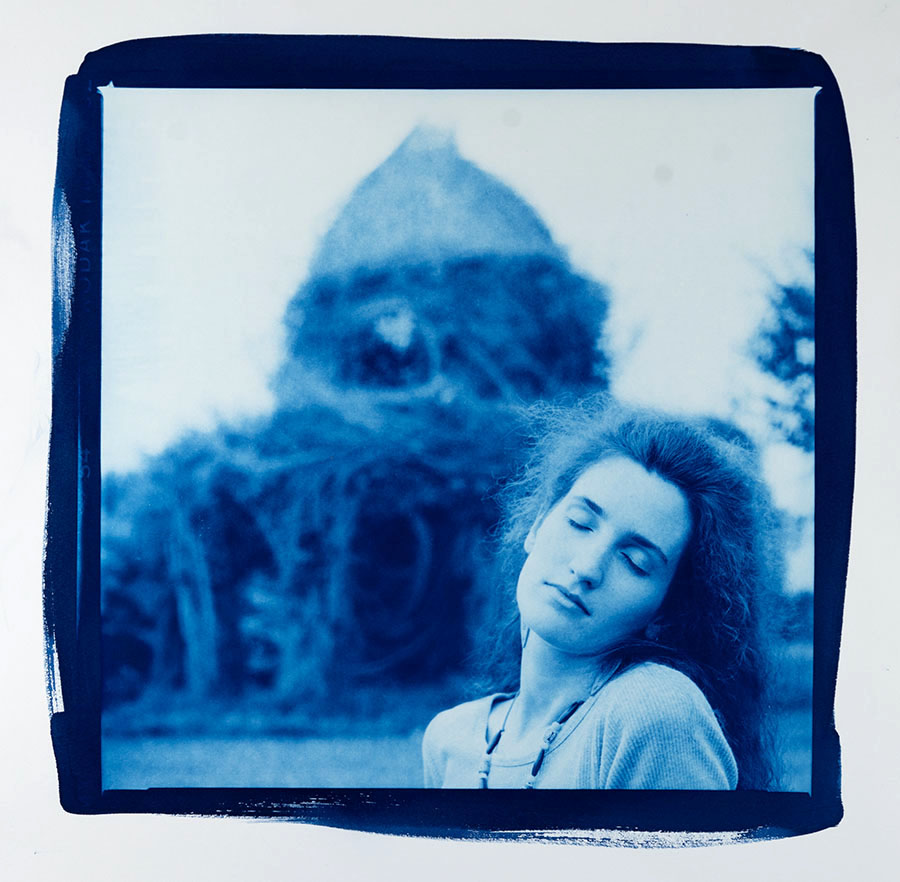
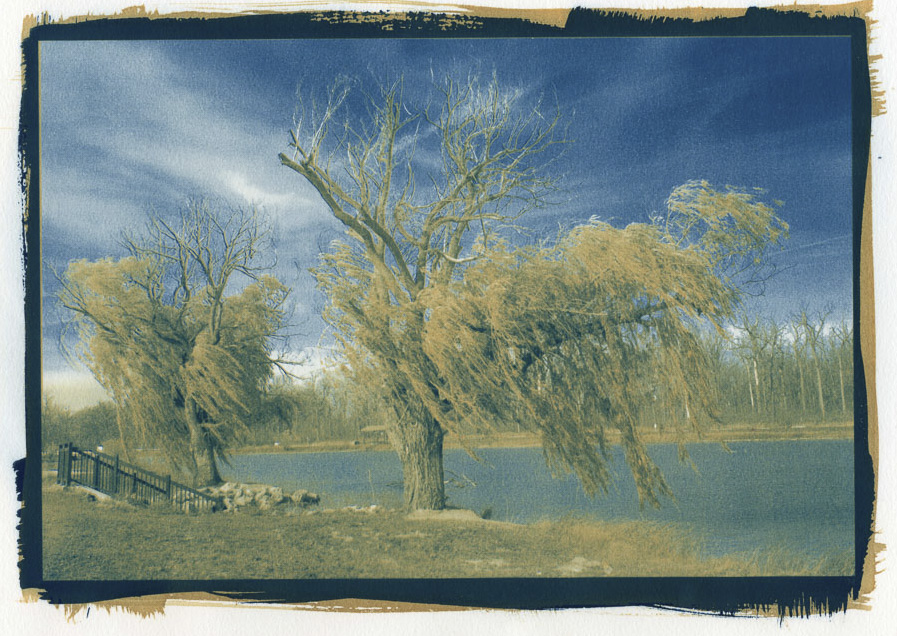
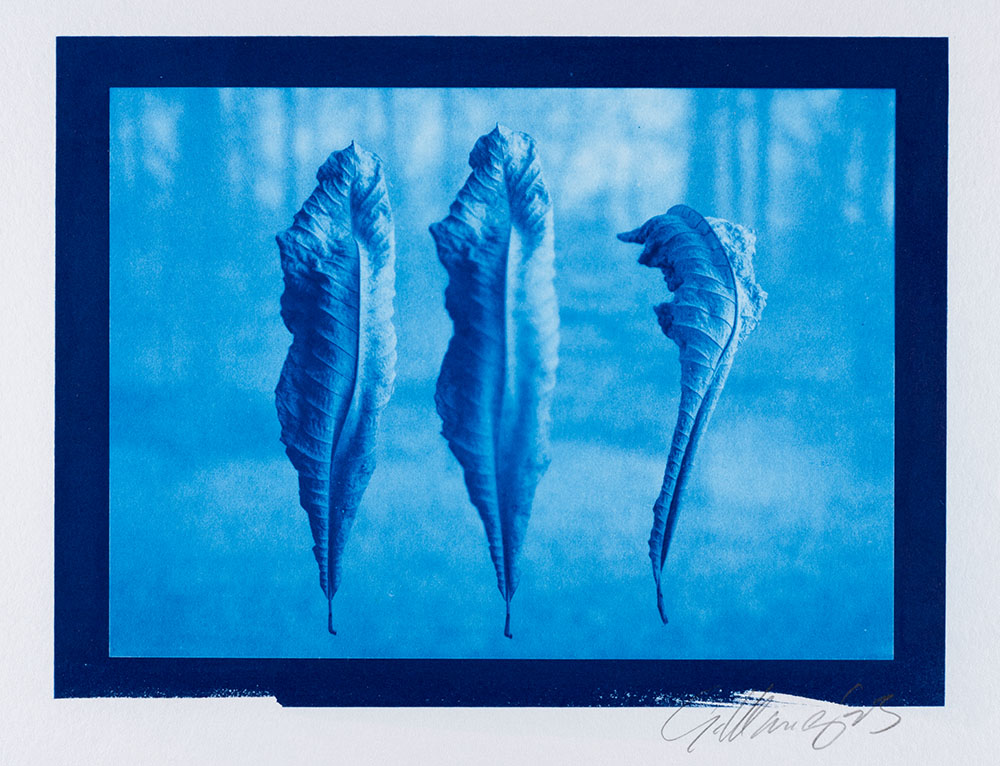
The images below are provided as inspiration and examples of the breadth of work that may resonate with this exhibition theme. Click any image to enlarge.
About the Juror
Sam Wang received an MFA in Photography from the University of Iowa in 1966. He then founded the photography program at Clemson University, where he taught for 40 years before retiring as Alumni Distinguished Professor. During a sabbatical in 2003, he taught at the Nanjing University of the Arts, where he began lecturing and exhibiting in China. Along with Zhong Jianming, a colleague from Nanjing, and former student Christina Z. Anderson, he coauthored Handcrafted: The Art and Practice of the Handmade Print, the first book to seriously address alternative photographic processes published in China. The book became a major catalyst for the development of the Chinese alternative process photography community.
Throughout his career, Sam has worked with many photographic processes, and his images have appeared in numerous publications. Cyanotype, however, has always remained his favorite because, as he says, “it’s so easy,” yet so difficult to fully control. He often compares the process to playing the piano: “It’s so easy. You just get a piano and push down on the keys, right?” His method of combining traditional cyanotype with Mike Ware’s New Cyanotype process was featured in Christina Z. Anderson’s book Cyanotype: The Blueprint in Contemporary Practice. He continues to explore the medium and create new work in South Carolina.